

How to Reduce Sales Cycles With Content (Without Pushing Harder)
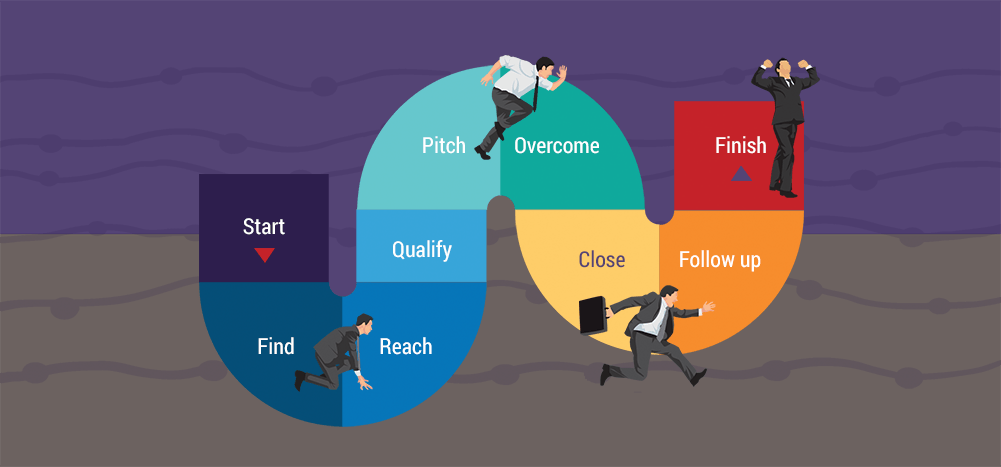
Long sales cycles aren’t always a lead problem.
They’re often a trust problem.
Prospects hesitate when they:
- Don’t fully understand your process
- Aren’t confident in the outcome
- Have unanswered objections
- Need internal buy-in
If you want to know how to reduce sales cycles with content, the answer is simple:
Educate before the call.
Why Sales Cycles Drag Out
In service-based and B2B businesses, buyers evaluate:
- Strategic depth
- Risk exposure
- ROI potential
- Implementation complexity
When these concerns aren’t addressed early, they surface during negotiations — or stall deals entirely.
Content can remove that friction.
Step 1: Address Objections Publicly
One of the fastest ways to reduce sales cycles with content is to handle objections before prospects ever book.
Create content that explains:
- Pricing structure and positioning
- Timeline expectations
- Risk mitigation processes
- What working with you actually looks like
When objections are answered early, hesitation decreases.
Step 2: Clarify Your Methodology
Uncertainty slows decisions.
Content that breaks down:
- Your framework
- Your onboarding process
- Your delivery model
- Your communication style
Builds confidence.
Confidence accelerates movement.
Step 3: Reinforce Outcomes Clearly
If prospects don’t understand the result, they delay.
To reduce sales cycles with content, consistently reinforce:
- The transformation you deliver
- The metrics you impact
- The business outcomes you drive
Clarity reduces back-and-forth.
Step 4: Build Authority Consistently
Sales cycles shorten when prospects trust you.
Authority-building content includes:
- Strategic insights
- Case-style breakdowns
- Industry commentary
- Thought leadership perspectives
Trust reduces negotiation.
Step 5: Align Content With Your Sales Conversations
Your content should mirror your sales process.
If you always explain:
- Your framework
- Your differentiation
- Your ROI model
In sales calls — create content around those same topics.
Repetition builds familiarity.
Familiarity builds speed.
Step 6: Educate Stakeholders, Not Just Decision-Makers
In B2B especially, multiple people influence decisions.
Content helps internal champions:
- Justify your value
- Explain your process
- Address risk concerns
When stakeholders are educated before the call, approval becomes easier.
Why Most Content Doesn’t Shorten Sales Cycles
Sales cycles remain long when content:
- Is generic
- Avoids objections
- Lacks clear positioning
- Doesn’t align with services
- Is inconsistent
Structure creates momentum.
From Marketing to Sales Acceleration
When structured correctly, content becomes:
- A pre-sales education tool
- A credibility engine
- An objection handler
- A deal accelerator
That’s how you reduce sales cycles with content.

If you’re ready to reduce sales cycles and build a more predictable pipeline through structured content, book a 15-Min Content Pipeline Audit to map a strategy aligned with your services and revenue goals.

Your full-service content partner — from research and scripting to production and strategy.

